September 23, 2026
Aging boats often face a multitude of problems that can render them unsightly or even unsafe on the water. However, with the expertise of professional boat repairs, these vessels can be restored to their former glory. This article delves into the transformative process of expert boat repairs, emphasizing how they breathe new life into aging boats. By examining common issues and highlighting modern restoration techniques, it becomes clear why professional intervention is crucial for boat enthusiasts.
1. What Are the Most Common Problems in Aging Boats?
1.1 Structural Weaknesses
Structural weaknesses in aging boats are a major concern that can affect their overall seaworthiness. Over time, the constant exposure to water and weather conditions can lead to significant wear and tear. These factors often result in weakened hulls, damaged decks, and compromised stability. Addressing these concerns is crucial; thus, structural integrity is a top priority during comprehensive boat repairs.
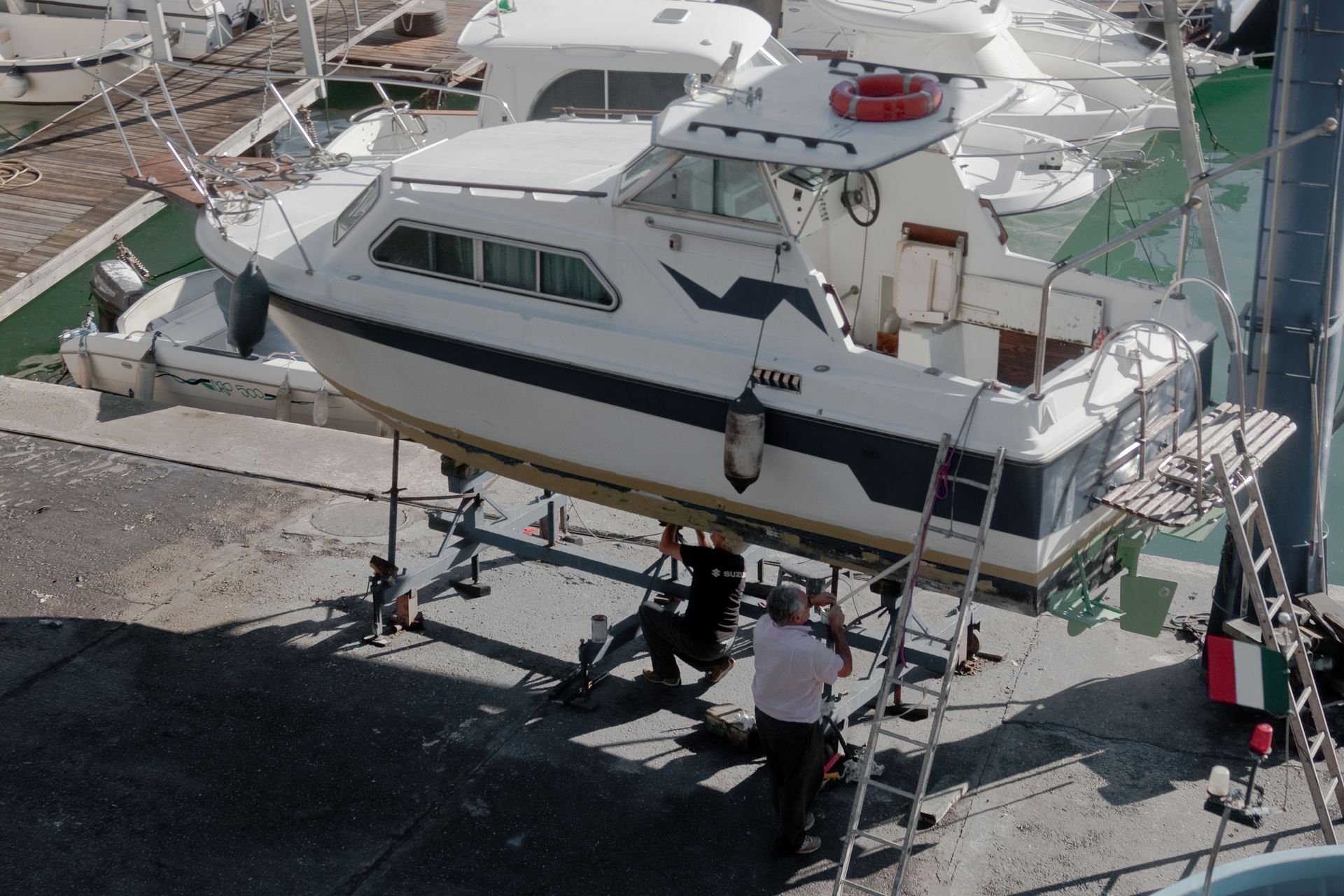
Expert boat repair services often start by conducting a thorough evaluation of the boat’s structure. This involves checking for signs of stress, identifying any compromised areas, and proposing necessary reinforcement measures. Techniques such as fiberglass reinforcement and re-caulking seams are commonly employed. These repairs ensure that the boat can withstand the rigors of the water once more.
Statistics indicate that 95% of boats on U.S. waterways measure under 26 feet in length, making them more susceptible to structural wear. Smaller boats require specialized attention to maintain their safety and performance standards. The repair process can involve replacing worn-out components as well as reinforcing key structural areas. Such interventions are pivotal in prolonging the boat’s lifespan and ensuring smoother sails.
1.2 Engine Degeneration
The engine of a boat is its powerhouse, and as boats age, engine degeneration becomes a prevalent problem. Excessive use, exposure to elements, and insufficient maintenance can lead to engine wear, resulting in reduced performance or even total failure. To restore optimal functionality, comprehensive engine diagnostics and repairs are integral to expert boat repairs. This ensures the engine runs smoothly, enhancing both safety and performance.
Boat repair specialists carefully assess engine components, looking for issues such as corrosion, fuel line leaks, and worn-out ignition components. Advanced diagnostic tools aid in pinpointing exact engine problems. These issues are addressed through methods such as parts replacement, engine tuning, and corrosion control. Such detailed repair work helps to retrain the engine's vitality and sustainable operation.
Incorporating modern technologies such as electronic fuel injection can also be part of the solutions offered. Upgrading an old engine to a more efficient one can significantly enhance the boat's performance, reducing fuel consumption and minimizing environmental impact. Professional repairs ensure that the engine is reliable and powerful, ready to power through waters with ease.
2. How Do Experts Approach Boat Repairs?
2.1 Initial Assessment and Inspection
The first step in expert boat repairs is an extensive initial assessment and inspection to pinpoint existing issues. This process identifies structural weaknesses, engine problems, and cosmetic damage, providing valuable insight into the boat's current condition. By documenting the issues, repair professionals can devise a comprehensive plan tailored to the specific needs of the boat. This phase is crucial to establish a roadmap for effective restoration.
Inspections typically involve state-of-the-art diagnostic tools to accurately assess both visible and hidden problems. Factors such as the boat's age, usage history, and material quality are considered during evaluations. A thorough analysis ensures that all significant issues are addressed. Owners are then presented with findings, emphasizing transparency and informed decision-making.
It is estimated that a remarkable proportion of watercraft, roughly 95%, measures under 26 feet according to the boating industry, requiring meticulous preliminary assessments. Smaller vessels, while generally easier to maneuver and repair, demand precise attention. This includes careful evaluation of structural integrity and mechanical systems. Early detection and assessment prevent costly repairs down the line, preserving the boat’s value and extending its life.
2.2 Custom Repair Plans
Once the initial assessment is completed, experts develop custom repair plans tailored to the specific needs of each boat. These plans involve detailed strategies that address all identified issues, ensuring a systematic approach to restoration. Every component is taken into account, from structural repairs to engine optimization. The goal is to offer a personalized solution that rejuvenates the boat holistically.
Custom repair plans are dynamic and adaptable to accommodate unexpected findings during the repair process. They often include timelines and cost estimates, providing transparency and helping boat owners make informed decisions. This personalized approach ensures that repairs are aligned with both the owner’s expectations and budget. A solid, unique plan leads to efficient, goal-oriented restoration projects.
In crafting these plans, experts may also provide options for enhancements and upgrades beyond standard repairs. Innovating with technology or integrating advanced safety features may be encouraged. Customizing solutions ensures that boats are not merely restored, but transformed to meet contemporary standards. Such thoughtful planning elevates the overall boating experience and longevity of the vessel.
3. What Materials and Techniques Are Best for Boat Restoration?
3.1 Choosing Quality Materials
Choosing quality materials is pivotal in ensuring the longevity and effectiveness of boat restorations. High-grade materials offer resistance to wear, corrosion, and environmental exposure. Fiber-reinforced polymers, marine-grade woods, and galvanized metals are examples of materials commonly selected for their durability. Ensuring material quality translates to less frequent repairs and enhanced safety.
Professional boat repairs prioritize materials that withstand various maritime conditions. This careful selection process considers factors like durability, weight, and compatibility with existing boat elements. Using premium materials can be a worthwhile investment, leading to more robust restoration results. Such choices cater to both performance needs and aesthetic enhancements.
The choice of materials also reflects in maintenance capabilities, facilitating easier cleaning and lasting performance. Investing in quality aligns with sustainable restoration practices, minimizing the need for replacements. Material selection is integral to every aspect of the boat, from the hull to interior fittings. High-quality resources are key to transforming aged boats into seaworthy vessels once again.
3.2 Modern vs Traditional Techniques
A balance between modern and traditional techniques is essential in the art of boat restoration. Traditional techniques, passed down through generations, offer timeless craftsmanship that brings authenticity to restoration. Woodworking, hand-painting, and artisanal joinery are techniques that deliver elegance and precision. These time-honored practices continue to define expert craftsmanship.
Conversely, modern techniques introduce innovative solutions that complement traditional methods. Techniques such as vacuum bagging, high-velocity painting, and CNC machining elevate the quality and precision of restorations. When integrated thoughtfully, modern methods can enhance the scope and efficacy of traditional approaches, allowing for innovation in design and functionality.
Finding the right balance between these techniques ensures the creation of classic yet modernized vessels. The integration of both approaches amplifies the restoration process, ensuring repair outcomes that satisfy nostalgic beauty and modern expectations. Expert boat restoration involves a harmonious blend, where skill and technology meet. The synergy enhances a boat's value, performance, and aesthetic appeal.
Expert boat repairs are invaluable in reviving aging boats, transforming them from dilapidated states into seaworthy marvels. The knowledge and skills employed throughout the repair process turn perceived weaknesses into strengths, providing vessels a fresh lease on life. Whether addressing structural weaknesses, regenerating engines, or enhancing aesthetics, these comprehensive efforts ensure a resilient end product. The lifeline provided by professional repair services not only meets but often exceeds the expectations of boat owners, nurturing a culture of preservation and appreciation for nautical craftsmanship. Reach out to Randy's Marine today to see how we can help you!